Senior Pet Wellness

As pets reach around seven years of age, they’re considered senior — even if they still have plenty of energy.

Just like people, older pets can experience physical and behavioural changes that increase their risk of certain health issues. While we can’t stop ageing, our Senior Pet Wellness services are designed to assist via early intervention to minimise its impact and keep your pets comfortable, healthy, and happy for as long as possible.

Below are some of the common health considerations for senior pets.

Nutrition for Lifelong Health

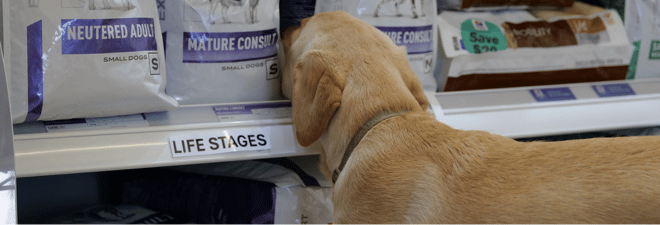
Nutrition plays a vital role in keeping senior pets healthy and active.
Older animals benefit from highly digestible, nutrient-rich diets that support their overall wellbeing. Senior-specific foods should be both nutritious and tasty to encourage regular eating. They often include antioxidants to strengthen the immune system, omega-3 and omega-6 fatty acids for healthy skin and coat, and glucosamine to support joint health and mobility.

Dental Health

Around 85% of dogs and cats over six years of age experience dental issues such as gingivitis or periodontal disease. Common signs include bad breath, red or swollen gums, and tartar build-up. Regular dental checks and professional cleaning help prevent discomfort and protect against more serious problems like tooth loss, kidney, liver, or heart disease. If you notice any dental concerns, our veterinarians can provide a thorough oral examination and treatment advice.

Canine Osteoarthritis

Osteoarthritis is a degenerative joint condition that causes pain, stiffness, and reduced movement. It commonly affects the hips, elbows, stifle spine and carpus. Symptoms may include limping, reluctance to exercise, or difficulty moving.

Excess weight can worsen joint problems, so maintaining a healthy body condition is essential. If you’re concerned about your pet’s mobility or weight, our team can help with tailored advice and care.

Joint Health & Glucosamine

Joint cartilage acts as a cushion between bones, allowing smooth, pain-free movement. Over time, ageing, genetics, or activity can wear this cartilage down, causing discomfort. Glucosamine supports cartilage repair, helps reduce inflammation, and promotes healthy joint function. Supplements and special diets containing glucosamine can help slow degeneration and improve your pet’s comfort and mobility.

Comfort & Bedding

Older pets benefit from soft, supportive bedding that keeps them warm and comfortable. Raised beds help reduce strain when getting up and down, while washable covers make cleaning easier — especially if your pet has incontinence issues. Keeping their sleeping area warm and free from draughts also supports overall comfort and wellbeing.

Why Choose Prebbleton for Senior Pet Care?

At Prebbleton Veterinary Hospital, we provide dedicated care to support your senior pets through their golden years. Our experienced team understands the unique needs of ageing animals and focuses on maintaining their comfort, mobility, and overall wellbeing. Through regular health checks, nutritional guidance, dental care, and pain management, we help detect and manage age-related changes early. We’re here to ensure your senior pets continue to live happy, healthy, and fulfilling lives.

Our veterinarians and nurses have extensive experience supporting ageing pets, providing compassionate and knowledgeable care at every stage.
We create tailored health plans to address your pet’s unique needs — from nutrition and mobility to dental and joint care.
Early detection is key. Regular health checks and screenings help us identify issues before they become serious, ensuring longer, healthier lives.
We prioritise your senior pet’s comfort and happiness, offering gentle care and advice to help them age gracefully and comfortably at home.

Frequently Asked Questions

When is my pet considered a senior?
Most dogs and cats are considered senior around the age of seven, though this can vary by breed and size. Larger dogs tend to age faster, while smaller breeds and cats may stay active for longer.
How often should I bring my senior pet for a check-up?
We recommend Annual wellness exams as a minimum for senior pets. More frequent visits help detect age-related changes early, allowing us to manage conditions before they affect your pet’s comfort or quality of life.
Does my senior pet need a special diet?
Yes — senior pets benefit from highly digestible, nutrient-rich food that supports joint, heart, and immune health. Our team can recommend the best diet tailored to your pet’s age, size, and medical needs.
What are common health issues in older pets?
Senior pets are more likely to experience arthritis, dental disease, kidney problems, and vision or hearing loss. Regular check-ups and early management help prevent these conditions from progressing.
How can I keep my senior pet comfortable at home?
Provide soft bedding, easy access to food and water, and a warm, draft-free environment. Gentle exercise, a balanced diet, and regular vet visits all help maintain mobility and wellbeing in older pets.

Create your account